Dane Poyzer
On this page14 sections
What's the big deal?
Today, let's tackle something a bit different but super important. How can people dealing with ADHD overcome task paralysis? And how can dypt lend a helping hand?
This is a practical support article, not medical advice or a cure-all. For the broader task-breakdown strategy, read how to use AI to break down tasks. If your starting point is a messy note or brain dump, the companion brain dump to task list workflow shows that process step by step.
Unpacking ADHD
🧠 Let's dive a little deeper into ADHD. Contrary to popular belief, ADHD isn't about not being able to sit still or just being "easily distracted." It's a neurodevelopmental disorder that comes with its own set of complexities. Here's a bit more of a breakdown.


What's going on in the brain?
🔬 Scientifically speaking, ADHD is linked to the imbalance of neurotransmitters in the brain. These are the chemicals that help our neurons talk to each other. When they're out of sync, things like focus, impulse control, and even emotional regulation go haywire.
The three flavors of ADHD
🍦 Yep, ADHD comes in different types:
-
Predominantly Inattentive: Difficulty in organizing tasks, following instructions, and maintaining attention.
-
Predominantly Hyperactive-Impulsive: Exhibits impulsive behaviors, interrupts conversations, and can't stay put.
-
Combined: A lovely mix of the two above. You get the whole package of both inattentive and hyperactive-impulsive symptoms.
Everyday struggles
🏃♂️ In real-life terms, maybe you've got 20 tabs open on your browser. You had a reason for each one, but now can't pick where to start.
Or you start tasks with gusto but get derailed by the smallest of distractions. It's like your brain is running a marathon, but no one showed it the route.
It's not just "kids stuff"
👨👩👧👦 One of the biggest misconceptions is that ADHD is only a kids' issue. Nope, not even close. Many adults carry symptoms into their adult lives. And many only first get diagnosed as adults.
Why should we care?
Because understanding ADHD is the first step in managing it. Whether it's you, your friend, or a family member struggling with it, a deeper understanding paves the way for more effective strategies to deal with it.
Got it, so what's task paralysis?
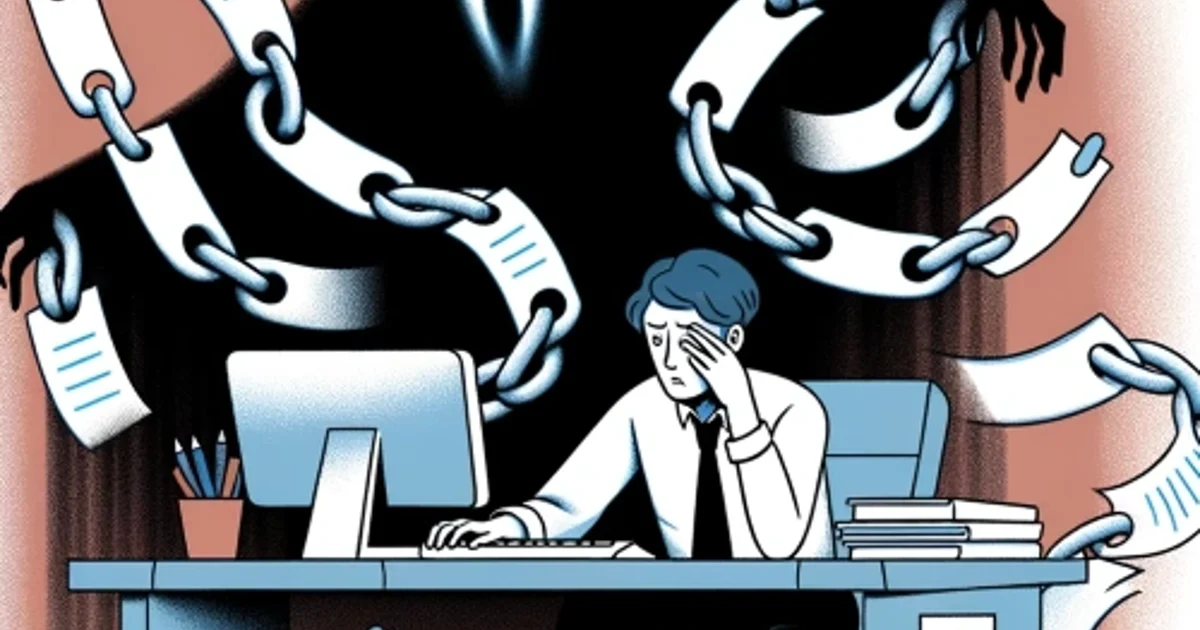
🤷♂️ A mountain of tasks and zero clue where to start... that's task paralysis. It's particularly problematic for people with ADHD because of how the disorder impacts decision-making and focus.
Why does it happen?
🔍 Often, the culprit is overwhelm. When too many tasks shout for attention, the brain kinda shuts down. Like the above examples of having too many tabs open or getting distracted by the smallest of things. The brain either freezes or seeks alternative stimuli when it doesn't want to deal with the overload.
Traditional ways to break the cycle
🔨 Good approaches to beating it include:
- Prioritising tasks
- Breaking tasks into smaller parts
- Using positive reinforcement to motivate yourself
- Implement time-management strategies, like the Pomodoro technique
A dypt workflow for reducing first-step friction
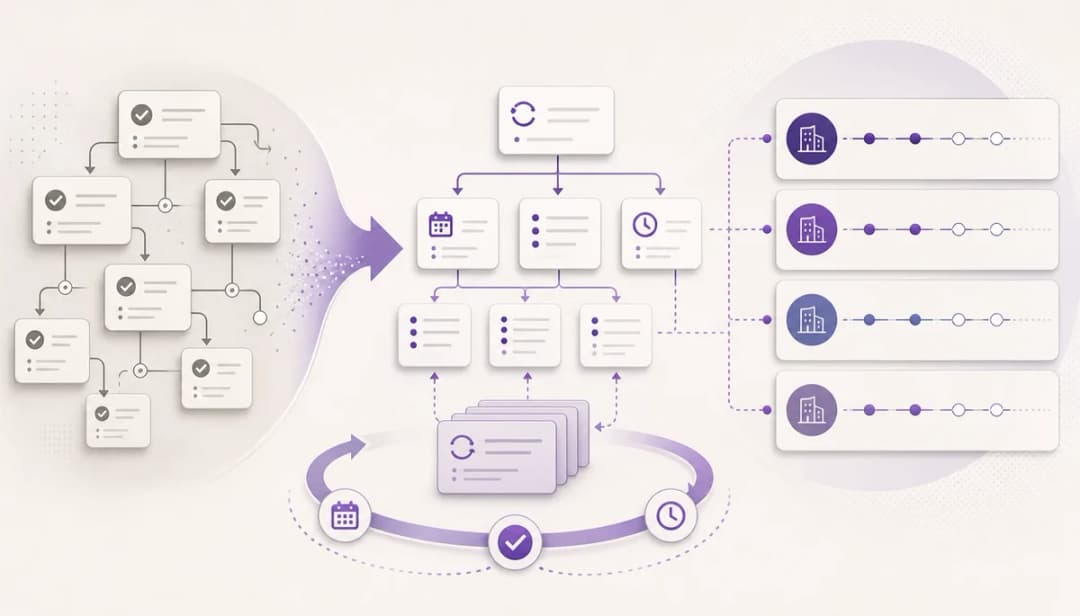
When task paralysis hits, the useful goal is not to produce a perfect plan. It is to lower the cost of the first decision. dypt helps by giving the vague task somewhere to live, then using AI to suggest a small, reviewable structure you can edit.
Start with one vague parent task, such as "Sort out the client proposal" or "Get the flat ready for the move". Add the messy context in a task note if you have it. If the note is hard to scan, use Clean up formatting first; if it already makes sense, go straight to Extract action items.
Review the suggested tasks before accepting them. Keep the wording practical and small enough that the first step feels possible. A useful next action might be "Open the proposal brief", "List the missing information", or "Send one question to the client". If a suggested task still feels too big, keep it as a parent task rather than forcing yourself to start there.
Then use Suggest subtasks on the one branch that still feels stuck. You do not need to break down the whole project at once. The point is to create enough structure to choose the next small action, then add a reminder, deadline, or priority only where it genuinely helps.
Used this way, AI is not deciding what matters for you. It is turning a blank page into options you can review, rename, delete, or split again. That can be enough to move from "I cannot start this" to "I can do this one small thing next."
Why you'll find dypt useful
dypt is useful when you need an external structure for work that feels too vague, too large, or too noisy to start. It gives you a place to capture the task, break it into smaller choices, and keep reminders or priorities visible without relying on memory alone.
Get the ball rolling
🤖 To try out dypt's AI features, sign into your account, or if you're new, Sign up today for a free account and slay that task paralysis demon!
Your thoughts, please!
📣 Was this post helpful? Love it? Hate it? Meh? I want to hear it all.